
How the liver works, and how to support it
Cikkek

Your liver is one of the hardest-working organs you have. It filters your blood, breaks down medicines, processes nutrients, produces bile and stores energy, around the clock. It also has a natural capacity for continuous self-renewal. The most effective support for it is therefore not an occasional detox cure but everyday lifestyle: less alcohol, less sugar and processed food, a healthy body weight, and enough of the key nutrients the liver needs for its function.
Article at a glance:
- What the liver does
- Where is the liver located in the body?
- What harms the liver the most?
- Can the liver regenerate, and how long does it take?
- Detoxification and liver cleanses
- What supports the liver: Nutrition, hydration, and key micronutrients
- Key takeaways
What does the liver do?
The liver works as the body's central chemical plant. Most of the nutrients and substances absorbed in the gut travel through the portal vein to the liver first, where it is decided what to store, what to transform and what to send on into the bloodstream. A 2025 review in the Journal of Hepatology (Steinberg et al.) describes the liver as the key hub that governs how the body handles carbohydrates, fats and proteins [1].
In practice the liver carries out a range of essential processes, chiefly:
- Blood filtering and biotransformation: It continuously breaks down metabolic by-products, alcohol, toxins and drug residues, chemically converting them into a form the body can safely excrete in urine or stool.
- Energy and nutrient management: It stores glucose as glycogen for immediate needs, manages fatty-acid metabolism, and during fasting can make new glucose from proteins and fats.
- Protein synthesis: It makes vital proteins, including the factors needed for blood clotting.
- Bile production and waste removal: It produces the bile needed for efficient digestion and absorption of fats.
- Store of key micronutrients: It acts as the body's long-term reservoir of some nutrients: it stores iron (as ferritin), copper and the fat-soluble vitamins (A, D, K) along with vitamin B12, whose reserves last several years.
- Immune barrier: It contains specialised immune cells (Kupffer cells) that capture and destroy bacteria and endotoxins coming from the gut, right inside the liver capillaries, before they spread through the body.

Proper liver function therefore matters not only for long-term health but also for everyday energy and good digestion.
Where is the liver?
The liver sits in the upper right part of the abdominal cavity, just below the lower ribs and the diaphragm, with a smaller part reaching slightly to the left. At an average weight of around 1.5 kg, it is the largest internal organ in the human body.

What harms the liver most?
Alcohol: Alcohol is broken down almost entirely in the liver (via the enzymes alcohol dehydrogenase and cytochrome CYP2E1). A regular excess leads to oxidative stress and fat accumulation in hepatocytes (liver cells). The positive side is a high capacity for early recovery: within a few weeks of cutting back or full abstinence, accumulated liver fat demonstrably begins to recede. Full tissue recovery, however, always depends on the degree of prior chronic damage.
Medicines and painkillers (risk of drug-induced liver injury, DILI):
- Paracetamol (acetaminophen): Safe at recommended doses, but in overdose or combined with alcohol it is one of the most common causes of acute liver failure worldwide. Never exceed the maximum recommended daily dose, and do not combine it with alcohol.
- Non-steroidal anti-inflammatory drugs (NSAIDs): Medicines such as ibuprofen, diclofenac or naproxen undergo liver biotransformation. At high doses, with long-term use or during dehydration they burden the liver and kidneys, so they should be used at the lowest effective dose for the shortest necessary time.
Added sugar (especially fructose) and ultra-processed food: While glucose can be used as fuel by cells throughout the body, fructose is processed mainly by the liver. If you take in an excess, the liver starts converting it directly into fat. A 2020 review in Critical Reviews in Clinical Laboratory Sciences (Softic et al.) confirms that excessive fructose intake not only stimulates the production of new liver fat but also suppresses its beta-oxidation (burning) [2]. An analysis of controlled trials from 2022 in Nutrients (Lee et al.) further showed that surplus calories from sweetened drinks accelerate the development of liver steatosis (fatty liver) [3]. Sweetened drinks, glucose-fructose syrups and ultra-processed sweets thus pose a metabolic risk comparable to alcohol.
Common myths about liver strain:
- Everyday supplements (e.g. creatine or MSM): In healthy people at normal recommended doses, there is no scientific evidence that they harm the liver.
- Eggs: On the contrary, they are among the best natural sources of choline, which the liver needs for its normal function.
- Alcohol-free beer: In terms of alcohol it does not burden the liver, but it is still a source of fast carbohydrates and liquid calories.
Can the liver regenerate, and how long does it take?
The liver is one of the few human organs with an exceptional capacity to regenerate. It can fully restore damaged tissue, even when a substantial part of it is surgically removed.
In practice this means it responds very flexibly to any reduction in strain. If you stop drinking alcohol and lighten your diet, reversible changes (chiefly excess liver fat, or steatosis) begin to recede within days to weeks. The extent and speed of full recovery always depend on the starting state of the tissue, especially the presence of more advanced scarring (fibrosis). Sustainable long-term habits therefore matter far more than any one-off "detox" or short-term reset.
Detox and liver cleanse cures
The idea that a three-day fast, a special vegetable juice or a detox tea "detoxifies" the liver is more of a marketing myth. The liver is not a clogged filter waiting to be rinsed. It is a dynamic metabolic system that neutralises and excretes both harmful substances and endogenous metabolites continuously, chiefly through specialised enzyme cascades (cytochrome P450 and phase II conjugation enzymes).
Herbs and supplements for liver support can have a place in liver care, but they can never replace a good diet and a healthy lifestyle. They work more as metabolic support: instead of a miracle shortcut, they supply the body with biochemical raw materials and support the production and flow of bile, so the liver can carry out its natural processes and regeneration fully.
What is good for the liver: nutrition, hydration and key micronutrients
The liver does not need aggressive cleanse cures but a sufficient supply of quality nutrients for the continuous work of its cells. The foundation of its support is a varied diet built on whole foods, adequate protein, fibre and proper hydration.

Fluids and hydration
Good coffee: It is one of the best scientifically documented habits for protecting liver tissue. A large 2020 meta-analysis in Annals of Hepatology (Hayat et al.) showed that regular coffee drinkers have a demonstrably lower risk of developing liver disease, and that in existing damage coffee slows its progression [4].
Bean quality and preparation matter, though: the greatest benefit comes from gently roasted specialty coffee rich in chlorogenic acids and polyphenols. Heavily over-roasted or burnt beans lose most of their beneficial antioxidants and may contain unwanted thermal-breakdown by-products (e.g. acrylamide).
Clean water and unsweetened teas: Enough water is a condition for smooth blood circulation and the excretion of metabolic by-products via the kidneys and bile. Green or white tea additionally supply valuable catechins without unnecessary added sugar and liquid calories.
Functional foods and support for bile flow
Bitters for digestion: Vegetables with a naturally bitter taste (e.g. chicory, rocket, artichoke or dandelion leaves) are traditionally associated with support for the production and flow of bile. Proper bile flow is part of digestion and fat absorption and the removal of waste substances from the body.
Fiber and whole foods: Soluble and insoluble fiber slow the absorption of sugar into the blood and dampen sharp insulin swings. This helps maintain an optimal body weight, which is one of the key factors for liver health.
Cruciferous vegetables and sulforaphane: Broccoli, broccoli sprouts, Brussels sprouts, cauliflower and radishes contain sulphur compounds (glucosinolates). Research shows that their metabolite sulforaphane activates the cellular Nrf2 pathway and increases the production of protective phase II enzymes of liver biotransformation, which help the body process foreign substances [7].
Key nutrients for biochemical processes in the liver
Besides the basic macronutrients, the liver needs specific micronutrients that act as cofactors in enzymatic reactions and protect cells from oxidative stress.

Choline: An essential nutrient needed for the synthesis of phosphatidylcholine, which the liver uses to package and transport fats out of liver cells (as VLDL particles). When it is deficient, fat accumulates directly in liver tissue. Choline is the only substance with a health claim authorised by the European Food Safety Authority (EFSA) that it contributes to normal liver function [5]. The importance of choline was also supported by the Framingham study published in 2024 in The Journal of Nutrition (Yiannakou et al.), where a higher dietary intake of this nutrient was associated with a lower risk of liver complications [5].
Sources: Egg yolks, liver and legumes.
Glutathione and sulphur amino acids (cysteine, methionine, NAC): Glutathione is the body's strongest internal antioxidant, and its highest reserves are in liver cells (hepatocytes). It is used chiefly in phase II of liver biotransformation, where it binds and neutralises reactive intermediates. Its production is supported by dietary sulphur amino acids or their precursor N-acetylcysteine (NAC).
Sources: Eggs, poultry, garlic, onion and leek.
B vitamins (B-complex): They take part in the liver's energy and methylation metabolism:
- Vitamin B1 (thiamine): Contributes to normal energy-yielding metabolism of carbohydrates; alcohol markedly depletes its liver reserves.
- Vitamins B6, B9 (folate) and B12: Contribute to normal homocysteine metabolism, that is, its conversion to methionine and then to SAMe (S-adenosylmethionine), a molecule used in the renewal of liver membranes.
Sources: Meat, offal, yeast, whole grains, leafy greens and legumes.
Zinc: It is part of the enzyme alcohol dehydrogenase (ADH), by which the liver breaks down alcohol, and it contributes to normal macronutrient metabolism and to the protection of cells from oxidative stress. It also plays a role in the ornithine cycle, in converting toxic ammonia to urea. You can read more about zinc and its function in human body in a separate blog article.
Sources: Pumpkin seeds, beef, legumes and seafood.
Magnesium: It contributes to normal energy-yielding metabolism and is a cofactor for hundreds of enzymatic reactions, including the production of ATP (cellular energy). Mechanistically it also takes part in tissue sensitivity to insulin. An unbalanced diet and alcohol increase its loss in urine.
Sources: Dark chocolate with a high cocoa content, nuts, seeds, leafy greens and magnesium-rich mineral waters.
Vitamin E (tocopherols): It contributes to the protection of cells from oxidative stress. As the main fat-soluble antioxidant it protects liver cell membranes from lipid peroxidation. The clinical trial PIVENS (Sanyal et al., NEJM 2010) in non-diabetic patients with non-alcoholic steatohepatitis found that 800 IU of vitamin E per day improved the histological picture versus placebo, with no effect on liver fibrosis [8].
Sources: Extra virgin olive oil, almonds, sunflower seeds and avocado.
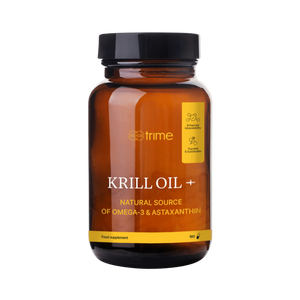
Omega-3 fatty acids (EPA and DHA): They act anti-inflammatory and take part in fat metabolism in the liver. Studies suggest that omega-3 supplementation may reduce liver fat content and liver enzyme levels, but the evidence is still inconsistent and further good-quality studies are needed [6]. (Note: the authorised health claims for EPA/DHA concern normal heart function and blood triglyceride levels, at an intake of 250 mg EPA+DHA per day, not the liver.)
Sources: Oily sea fish (salmon, mackerel, sardines) or quality fish and algal oil.
Key takeaways
- The liver is the body’s central metabolic organ: it filters blood, processes nutrients and medicines, produces bile and stores energy.
- It can regenerate, and reversible changes like excess liver fat often begin to recede within days to weeks once you ease the load.
- The biggest everyday strains are alcohol, excess sugar and fructose, and ultra-processed food. Sweetened drinks carry a metabolic risk comparable to alcohol.
- The liver cleanses itself continuously, so daily nutrition and lifestyle matter far more than any short "liver detox" program.
- Functional foods play an essential role in the diet: natural bitters (e.g., chicory, arugula, or artichoke) stimulate bile production and smooth bile flow, while cruciferous vegetables (such as broccoli and cabbage) activate the production of enzymes needed to safely break down harmful substances.
- Key micronutrients act as enzymatic cofactors and a protective shield: zinc (essential for the enzyme that breaks down alcohol), magnesium, B vitamins, and powerful antioxidants (especially glutathione and vitamin E) provide liver cells with the necessary biochemical tools and protect tissue from oxidative damage.
References
[1] Steinberg GR et al. J Hepatol. 2025. https://doi.org/10.1016/j.jhep.2025.02.033
[2] Softic S et al. Crit Rev Clin Lab Sci. 2020. https://doi.org/10.1080/10408363.2019.1711360
[3] Lee D et al. Nutrients. 2022. https://doi.org/10.3390/nu14142846
[4] Hayat U et al. Ann Hepatol. 2020. https://doi.org/10.1016/j.aohep.2020.08.071
[5] Choline and normal liver function, EFSA authorised claim. EFSA Journal 2011;9(4):2056. Supporting cohort: Yiannakou I et al. J Nutr. 2024. https://doi.org/10.1016/j.tjnut.2024.10.026
[6] Yan JH et al. Medicine (Baltimore). 2018. https://doi.org/10.1097/MD.0000000000012271
[7] Xu C, Li CY, Kong AN. Arch Pharm Res. 2005. https://doi.org/10.1007/BF02977789
[8] Sanyal AJ et al. (PIVENS). N Engl J Med. 2010. https://doi.org/10.1056/NEJMoa0907929


